

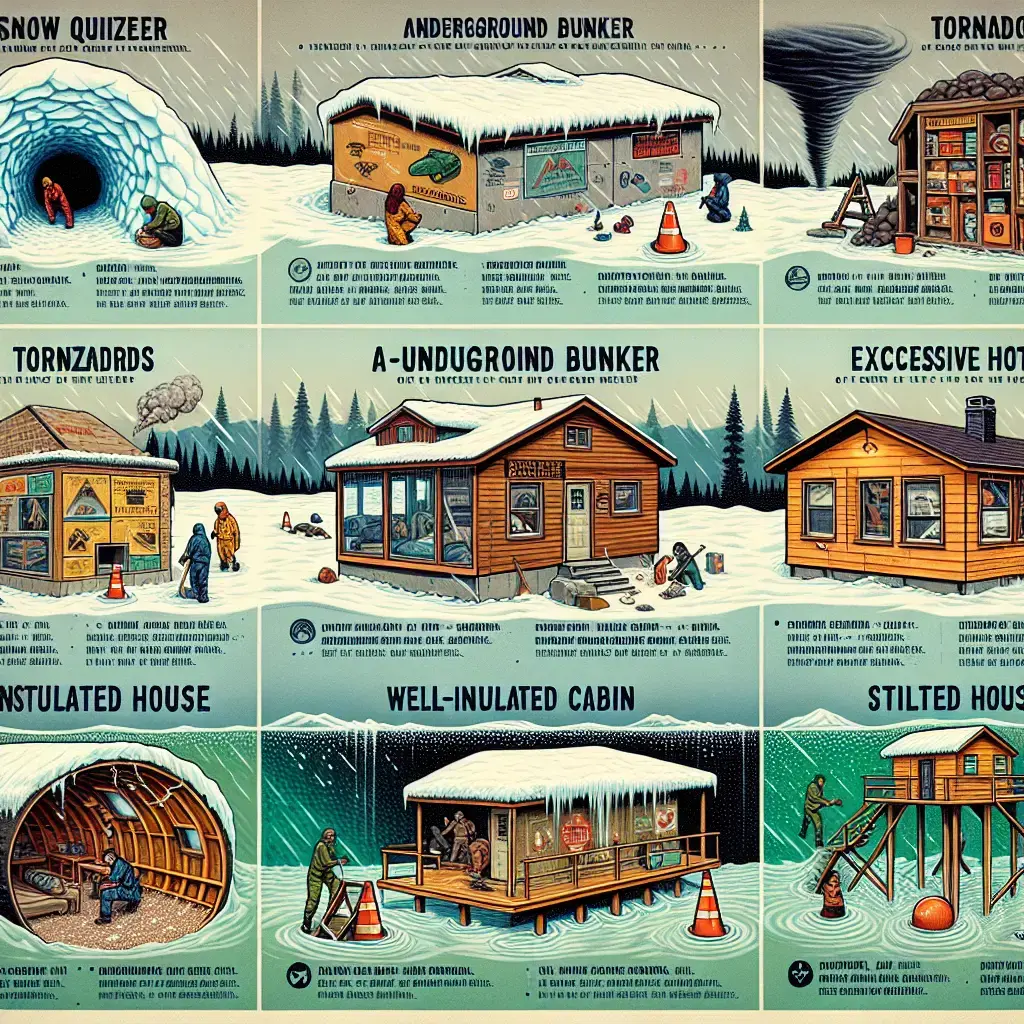
In today's rapidly changing climate, selecting the right emergency shelter for extreme weather conditions has never been more crucial. With the increasing frequency and intensity of natural disasters, having a reliable emergency preparedness shelter is essential for ensuring safety and security. Whether you're a homeowner, business owner, or community planner, understanding how to choose the best shelter for extreme weather can significantly impact protecting lives and property.
In an era where climate change intensifies natural disasters, an extreme weather emergency shelter is vital. As outlined in "The Worst-Case Scenario Survival Handbook," preparedness is key to enduring unforeseen events like hurricanes, tornadoes, or blizzards. Having a safe and reliable place to retreat is non-negotiable.
Selecting an emergency preparedness shelter involves considering several critical factors:
Durability: The structure must withstand high winds, heavy rains, or snow loads.
Weather Resistance: Materials should be impervious to water and resistant to extreme temperatures.
How to Choose the Best Shelter for Extreme Weather Emergencies
Technological advancements have led to innovative solutions for extreme weather shelters. For example, researchers at MIT Lincoln Laboratory are developing integrated sensor nodes that monitor environmental conditions. Incorporating such technologies into shelters can provide real-time data on structural integrity during extreme weather events.
Choosing the right emergency shelter option depends on various factors, such as location, climate, and specific needs:
Here are some tips to guide your decision-making process:
Real-world examples offer valuable insights into effective emergency shelter solutions:
Analyzing Different Emergency Shelter Options
Storm Shelters: Designed to protect against tornadoes and hurricanes, these are typically underground or reinforced structures.
Safe Rooms: Built within existing homes or businesses, offering protection from high winds and debris.
Community Shelters: Large-scale facilities that can accommodate many people during a disaster.
In a rapidly changing climate, choosing the right emergency shelter is vital for safeguarding against extreme weather events. Here's a recap of the essential points:
By understanding these critical aspects, you can make informed decisions to enhance your safety and preparedness. As we look toward future trends, incorporating smart technologies into shelters can provide peace of mind through continuous monitoring and alerts.


Leave a Comment