

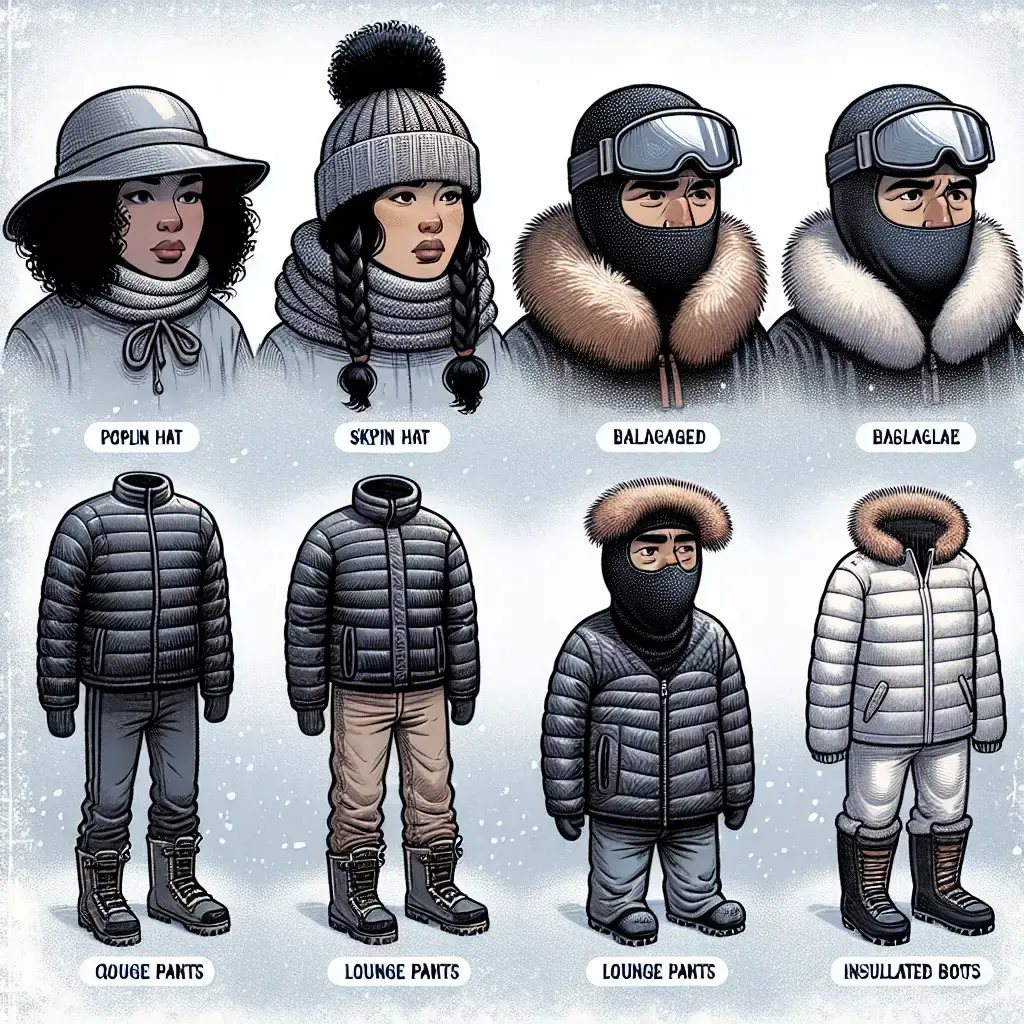
Braving the harsh elements of extreme cold requires more than just a thick coat; it demands a strategic approach to winter clothing layers that offer optimal protection and comfort. Whether you're an outdoor enthusiast, a professional working in frigid conditions, or someone planning a winter adventure, mastering the art of layering for cold weather is crucial for survival. The key lies in understanding the essential clothing layers that shield you from freezing temperatures while allowing flexibility and breathability.
Start with thermal base layers that wick moisture away from the skin, keeping you dry and warm. These foundational pieces are crucial in any cold weather apparel, as they lay the groundwork for effective extreme cold protection. Moisture management is critical because dampness can lead to rapid body heat loss, increasing the risk of hypothermia. Modern advancements have led to the development of base layers using synthetic fibers or merino wool, both offering excellent moisture-wicking properties.
Next in the lineup are the insulating mid layers, which provide the necessary warmth by trapping body heat, acting as a buffer against the biting chill. Materials like fleece and down are highly recommended due to their superior heat retention capabilities. Fleece offers a lightweight option that allows for mobility, while down provides exceptional warmth for its weight, making it one of the best clothing options for extreme cold.
Completing your ensemble, outer shell layers serve as your first line of defense against harsh weather conditions. Designed to be windproof and waterproof, these layers protect the inner layers from external moisture and gusts. This is where high-tech materials like Gore-Tex shine, providing durability and protection without sacrificing breathability. A quality outer shell ensures that the warmth generated by your inner layers is retained while preventing wind and water from penetrating.
Layering effectively is more than just piling on clothes; it requires strategy. Here are some expert tips to enhance your winter layering techniques:
Cold Weather Layering Tips: Maximizing Comfort and Protection
Choose breathable materials: This prevents overheating and allows sweat to escape, keeping you dry.
Adjustability is key: Opt for clothing with adjustable features like cuffs and hoods to adapt to changing conditions.
Consider weight and bulk: While warmth is crucial, so is the ability to move freely. Select layers that offer warmth without excessive bulk.
Understanding theory is one thing, but real-world applications solidify these concepts. In recent studies conducted during Operation Ice Camp 2024, researchers tested various layering systems under extreme Arctic conditions. The data gathered from these trials underscored the importance of proper layering in maintaining core body temperature and preventing frostbite.
Case Studies and Real-World Applications
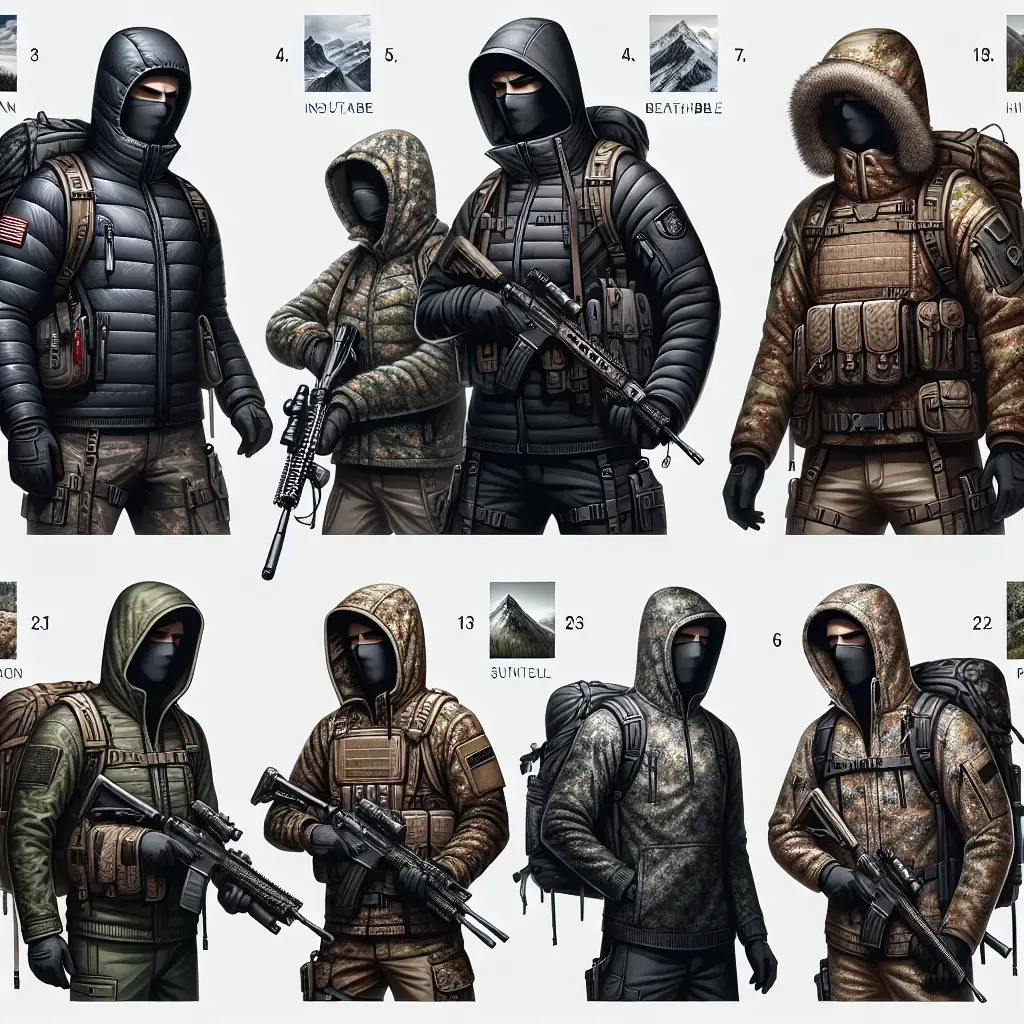
Furthermore, strategic layering is integral for military personnel operating in cold climates, where it becomes a matter of life and death.
Looking ahead, innovations in materials science continue to shape the landscape of winter survival clothing. Fully recyclable textiles are being introduced, highlighting a shift towards sustainability without compromising performance. Moreover, with climate change impacting global weather patterns, preparing for unexpected cold snaps becomes increasingly relevant, even in traditionally mild climates.
In conclusion, mastering the art of layering for cold weather is vital for anyone facing harsh winter environments. By selecting appropriate thermal base layers, efficient insulating mid layers, and resilient outer shell layers, you equip yourself with the best tools for extreme cold protection.
Always remember that preparation is key. Equip yourself with knowledge from reputable sources, stay informed about technological advancements, and always be ready to adapt your wardrobe to face whatever nature has in store. As you venture into frigid terrains, let these insights guide you towards safety and warmth.
Reflecting on these principles will enhance your ability to navigate cold climates with confidence and safety. Consider the innovations in materials science and the rising importance of sustainability as we prepare for unexpected cold snaps due to changing global weather patterns.


Leave a Comment